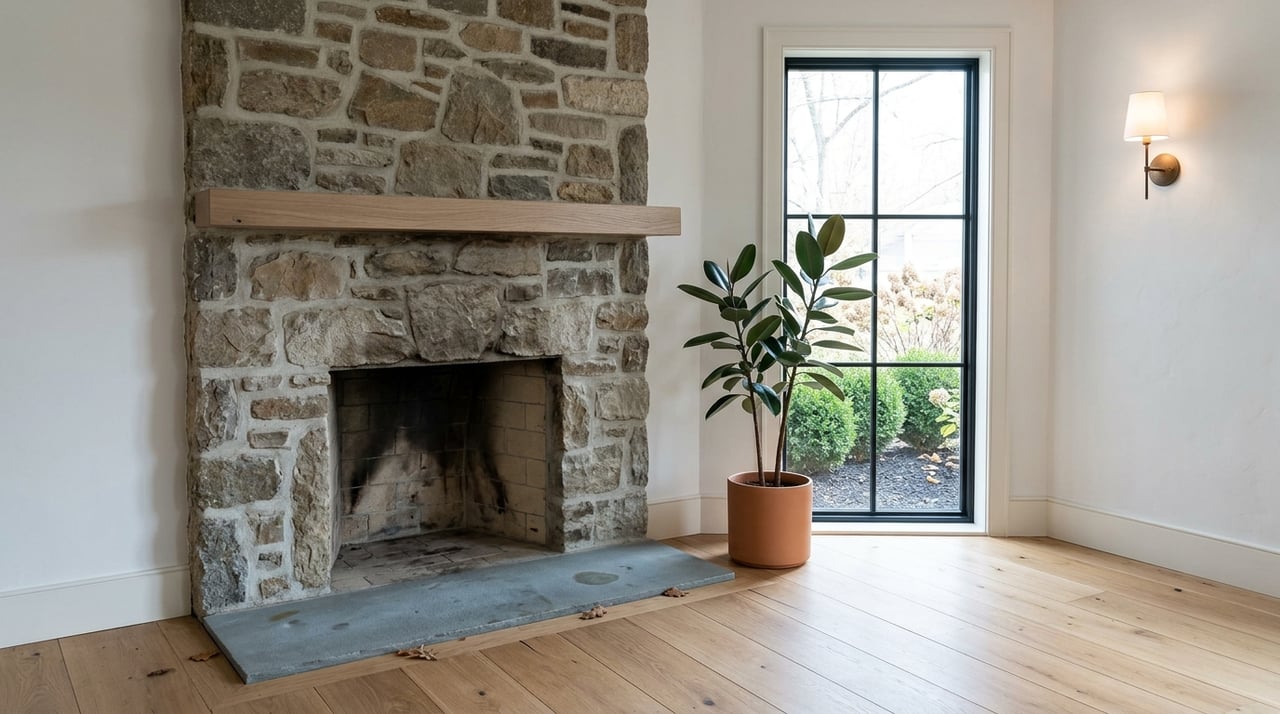
Selling a Historic Home in Skippack: What to Fix First
June 4, 2026
June 4, 2026
If you own a historic home in Skippack, you may be asking a tough question: should you modernize it, or protect the details that make it special? In a market where buyers notice condition quickly and Skippack residents clearly value the township’s history and village character, the best answer is usually a balanced one. When you prepare your home thoughtfully, you can highlight its charm, address the issues that matter most, and enter the market with more confidence. Let’s dive in.
Skippack is not a place where old homes are simply treated as outdated properties waiting for a full makeover. Township planning and zoning materials make it clear that protecting scenic, historic, and aesthetic value is part of the community’s broader vision. That means your home’s original features may be part of what makes it appealing, especially when they are well maintained.
For sellers, this creates an important mindset shift. Instead of presenting your property as an “older house with projects,” it often makes more sense to present it as a cared-for historic home with identity and presence. Buyers tend to respond better when character feels intentional and preserved rather than neglected or removed.
Before you think about decor updates or major changes, focus on the items that are most likely to affect buyer interest, listing photos, and inspections. In Skippack’s current market, pricing and presentation still matter, but buyers are also paying attention to obvious maintenance issues.
Redfin reported a median sale price of $431,777 in Skippack for the three months ending April 2026, up 7.3% year over year. Median days on market were 35, the sale-to-list ratio was 98.8%, and 40.1% of homes sold above list price. That said, only five homes sold in April 2026, so broad monthly numbers can swing fast, which is why a full comparative market analysis matters more than a headline statistic.
Your first pre-listing dollars should usually go toward anything that feels visibly worn or may raise concerns during a showing. This includes:
These items matter because they shape the first impression online and in person. They can also influence what shows up later in an inspection report, which may affect negotiations.
Roof issues are one of the clearest examples of a project you should scope early. Skippack Township states that new roofs, roof repairs, and roof replacements are subject to township requirements. A formal building permit is required if more than 25 percent of the wood roof sheathing will be replaced.
If your roof has known wear, leaks, or visible age, it is smart to evaluate it before listing. Waiting until you are under contract can compress your timeline and limit your options.
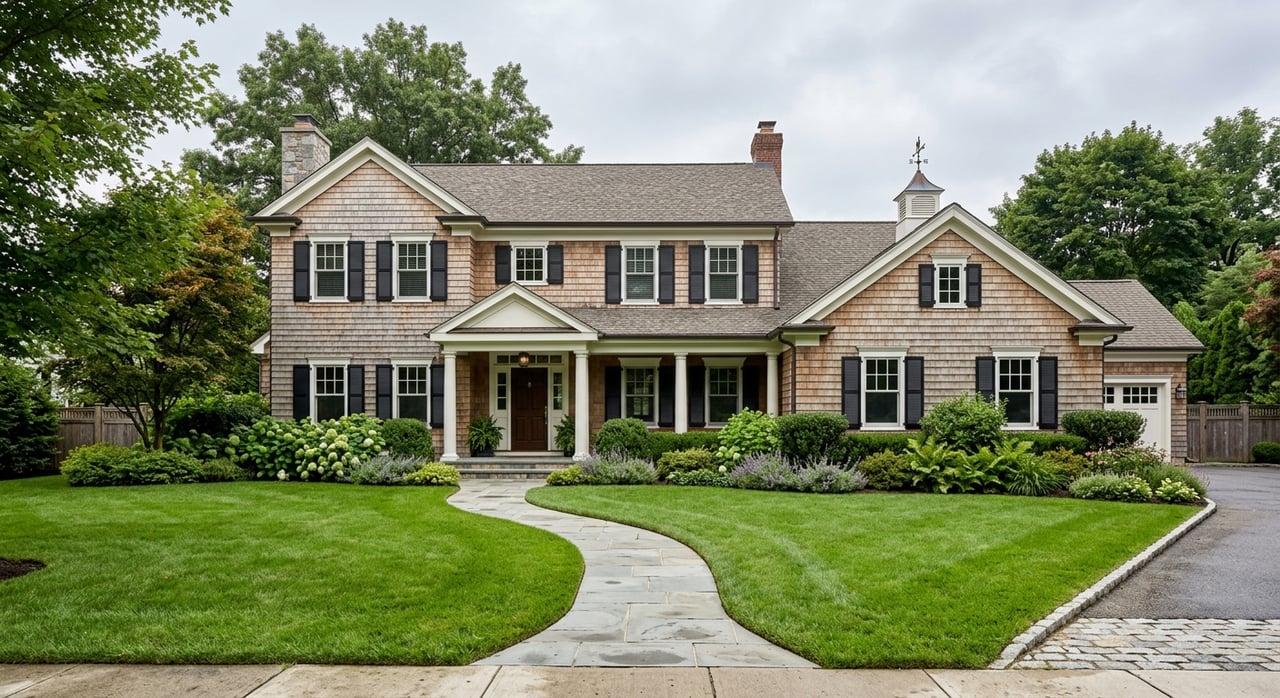
One of the biggest mistakes sellers can make with a historic home is replacing original features just because they are old. Age alone is not the problem. Poor condition, obvious neglect, and unresolved defects are the real issues.
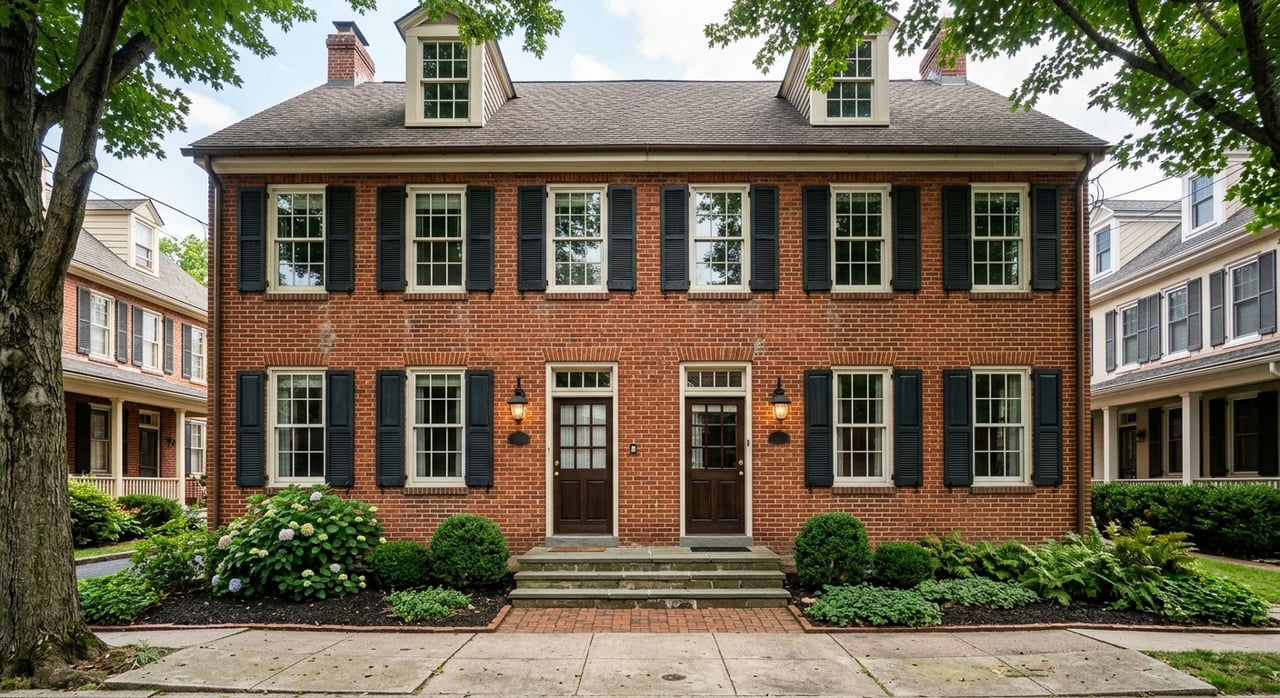
If original trim, doors, floors, masonry, or architectural details still present well, preserving them can help your home stand out. In a place like Skippack, where community character matters, buyers may connect more strongly with a home that feels authentic and cared for.
That does not mean you should avoid every update. It means your updates should support the home rather than erase it. Clean finishes, fresh paint where appropriate, repaired surfaces, and simple styling can help buyers see the home as livable today while still appreciating its history.
The goal is not to make the house feel brand new. The goal is to make it feel well kept, functional, and ready for its next chapter.
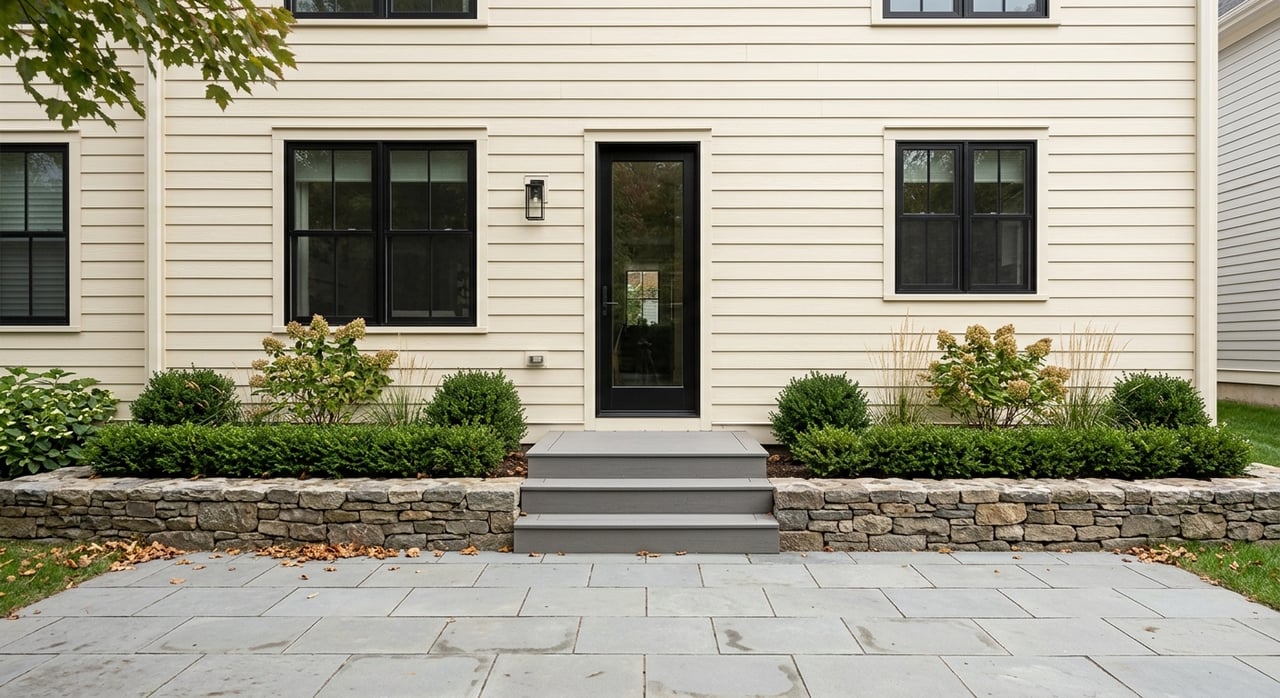
With a historic property, exterior changes are not always just cosmetic. Skippack Township’s building and codes information lists permits for building, zoning, roofs, decks and gazebos, use and occupancy, and other work. If you are planning any exterior project before listing, the safest move is to confirm township requirements first.
This is especially important because National Register status by itself does not automatically create local historic-district zoning or local landmark controls. What matters for your project is whether your property is also subject to a local overlay or another township review requirement.
Before replacing windows, changing roofing materials, updating siding, or altering visible exterior features, take time to verify whether township review applies. That small step can help you avoid delays, surprise costs, or work that does not align with local requirements.
Historic homes often come with longer ownership history, layered repairs, and age-related quirks. That makes early disclosure planning especially important.
Pennsylvania’s Seller’s Property Disclosure Statement requires sellers to disclose known material defects that are not readily observable. A material defect is defined as a problem that has a significant adverse impact on value or creates an unreasonable risk to people. The disclosure is not a warranty, and it does not replace inspections.
If you know about recurring roof leaks, water intrusion, failed systems, or other meaningful issues, do not wait for the buyer’s inspection to bring them up. A smoother transaction usually starts with honest, organized disclosure from the beginning.
This approach helps buyers feel informed, and it can reduce the risk of last-minute renegotiation. It also helps you prepare supporting documentation before your home hits the market.
Older homes often bring up two common health-related concerns: lead-based paint and radon. These are not reasons to panic, but they are reasons to prepare.
If your home was built before 1978, any renovation, repair, or painting project that disturbs painted surfaces needs added caution. EPA guidance says this type of work must be done by certified firms and trained workers using lead-safe work practices. Lead-based paint disclosure rules also apply to most pre-1978 housing.
If you are touching up paint before listing, this is not something to treat casually. The age of the home should shape how you plan the work.
Radon is another issue that comes up often in Pennsylvania. It is odorless and colorless, and EPA recommends that all homes be tested. Pennsylvania DEP says roughly 40 percent of homes tested in the state are above the EPA action guideline of 4 pCi/L.
A pre-list radon test can be a smart move for a historic Skippack seller. If the result is clear, you have useful information to share. If mitigation is needed, you have time to address it before a buyer raises the issue during the transaction.
Historic homes can be memorable, but only if buyers can see both the charm and the livability. Staging helps bridge that gap.
According to NAR’s 2025 Profile of Home Staging, the living room, primary bedroom, and dining room were the most commonly staged spaces. Buyers’ agents identified the living room as the single most important room to stage, followed by the primary bedroom and kitchen.
If you are not staging every room, start with the spaces buyers notice first:
The same report found that decluttering, whole-home cleaning, minor repairs, and curb appeal were the most commonly recommended improvements. For a historic home, that usually means simplifying the setting so period details stand out instead of getting lost in furniture, collections, or visual noise.
NAR also found that sellers’ agents viewed photos, videos, and physical staging as much or more important for listings. Historic homes often benefit even more from this because architectural details, room flow, and texture need to be captured well to translate online.
Strong visuals can help buyers understand what makes your home unique before they ever step through the door. In a market with limited monthly sales volume, presentation can have an outsized effect on attention and showing activity.
Historic charm can absolutely add appeal, but it should not be used as a shortcut to overpricing. Buyers still compare your home against other available options, including newer construction and updated resale properties.
In today’s Skippack market, pricing should reflect your home’s condition, updates, lot, location, and likely renovation spend from a buyer’s point of view. Broad market numbers are useful context, but they are not a substitute for a detailed comparative market analysis, especially when monthly inventory is thin.
A smart pricing strategy asks practical questions:
The strongest list price usually comes from a clear-eyed view of substitution value, not sentiment. Buyers may love character, but they still calculate cost.
If you want a simple framework, focus on four priorities:
That approach fits both the local preservation mindset in Skippack and the realities of today’s market. It also gives you a clearer path to preparing your home without losing what makes it special.
Selling a historic home is rarely about making it look new. It is about helping buyers see that it has been cared for, understood, and responsibly brought to market. If you want a thoughtful plan for pricing, preparation, and presentation in Skippack, Ryanne Sullivan can help you map out the right next steps.
Stay up to date on the latest real estate trends.


With Ryanne extensive knowledge and commitment to providing only the best and most timely information to her clients, she is your go-to source for real estate industry insight and advice. Buying or selling a home is more than just a transaction, it's a life-changing experience. Feel free to contact her for all your real estate needs.