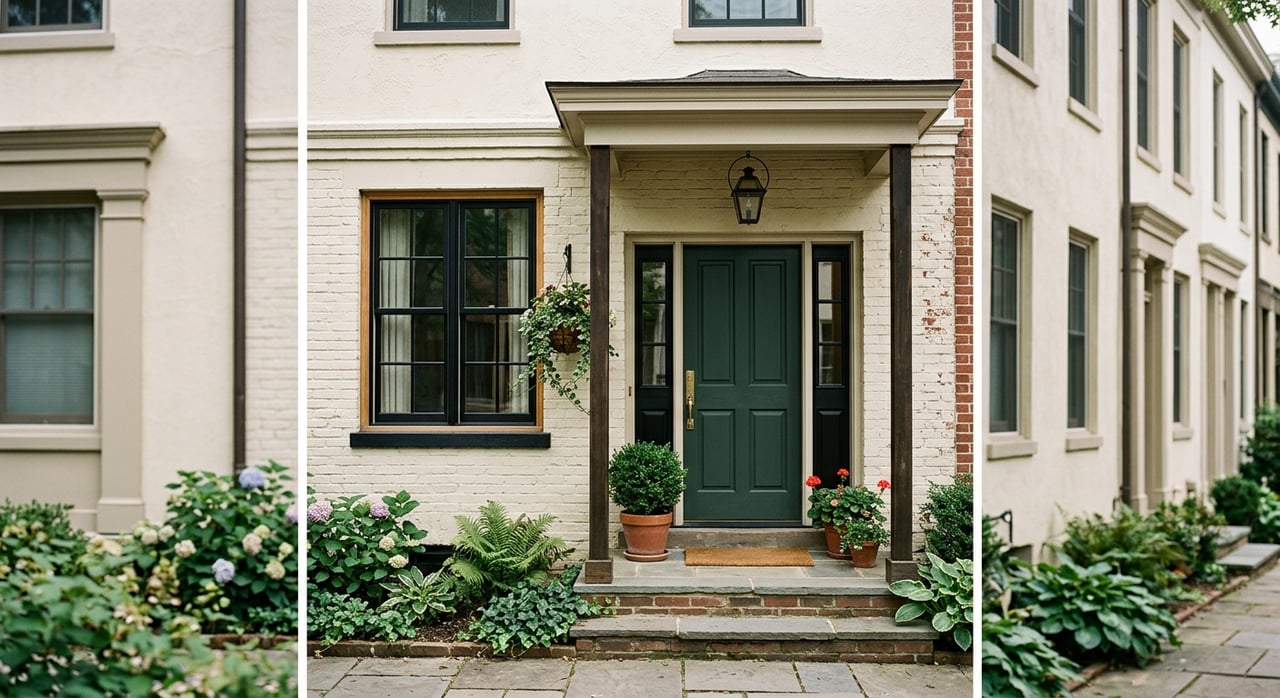
Collegeville Home Styles Guide for Finding the Right Fit
June 25, 2026
June 25, 2026
If you’re home shopping in Collegeville, the biggest decision may not be price alone. It may be choosing a home style that fits how you actually want to live day to day. From older homes near Main Street to detached houses in newer neighborhoods and lower-maintenance townhomes, Collegeville offers a mix of options with very different tradeoffs. This guide will help you compare those styles in a practical way so you can focus your search with more confidence. Let’s dive in.
Before you compare home styles, it helps to know what “Collegeville” means on a listing. Collegeville Borough is a small municipality of about 5,247 residents across 1.6 square miles, but the broader Collegeville region is larger than the borough itself.
The borough notes that the Collegeville postal area also includes Trappe plus portions of Upper Providence, Lower Providence, Perkiomen, Skippack, and Worcester townships. That means a home with a Collegeville mailing address may not be inside borough limits. If walkability, school assignment, or municipal setting matters to you, confirm the exact municipality before you fall in love with a home.
For buyers who want a quick snapshot of the borough itself, the housing stock is mostly owner-occupied and heavily made up of single-unit homes. Recent data show 1,655 housing units, with 76% owner-occupied units and 72% single-unit structures. The median value of owner-occupied homes is $443,000, which gives useful budget context as you compare styles.
A home’s style affects more than curb appeal. It shapes your maintenance needs, your daily routine, your outdoor space, and how connected you feel to the borough’s walkable core.
Collegeville’s downtown area is a true mixed-use setting. The borough describes Main Street as walkable and centrally located, with residential, commercial, and dining uses, and notes that the Perkiomen Trail is accessible from most neighborhoods. SEPTA bus #93 also connects Main Street to Norristown Transportation Center for regional rail access to Philadelphia.
That means your best-fit home style often comes down to lifestyle priorities like these:
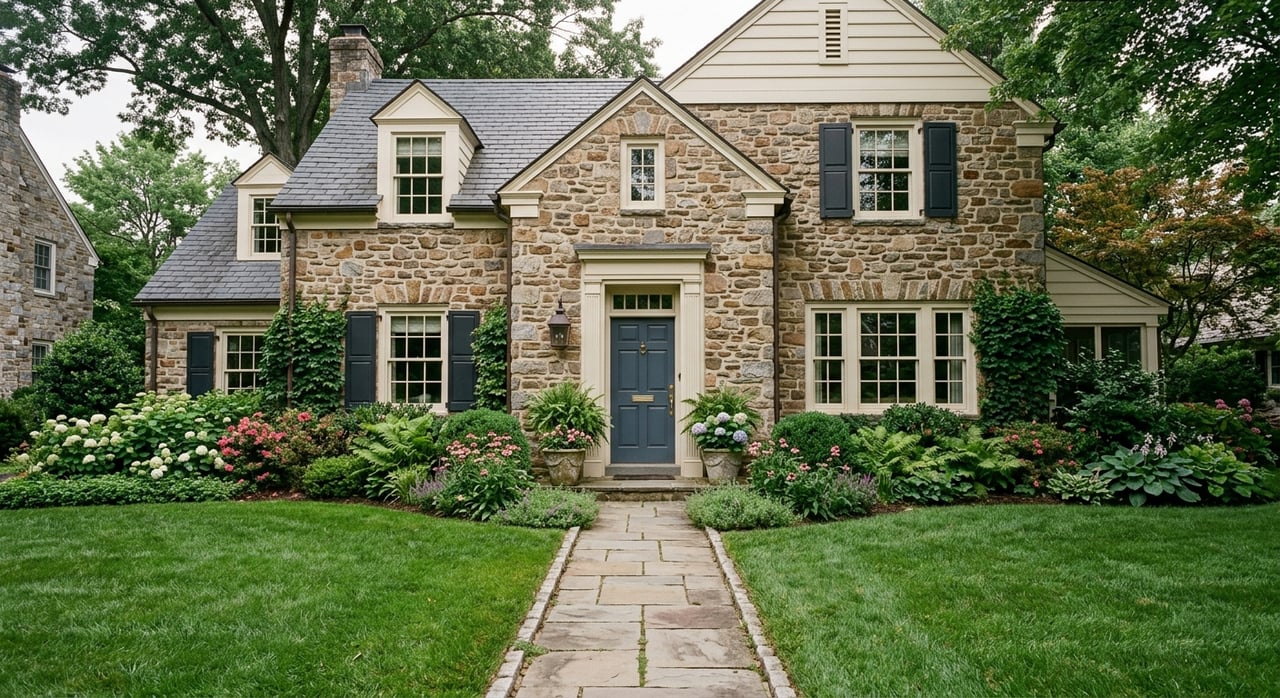
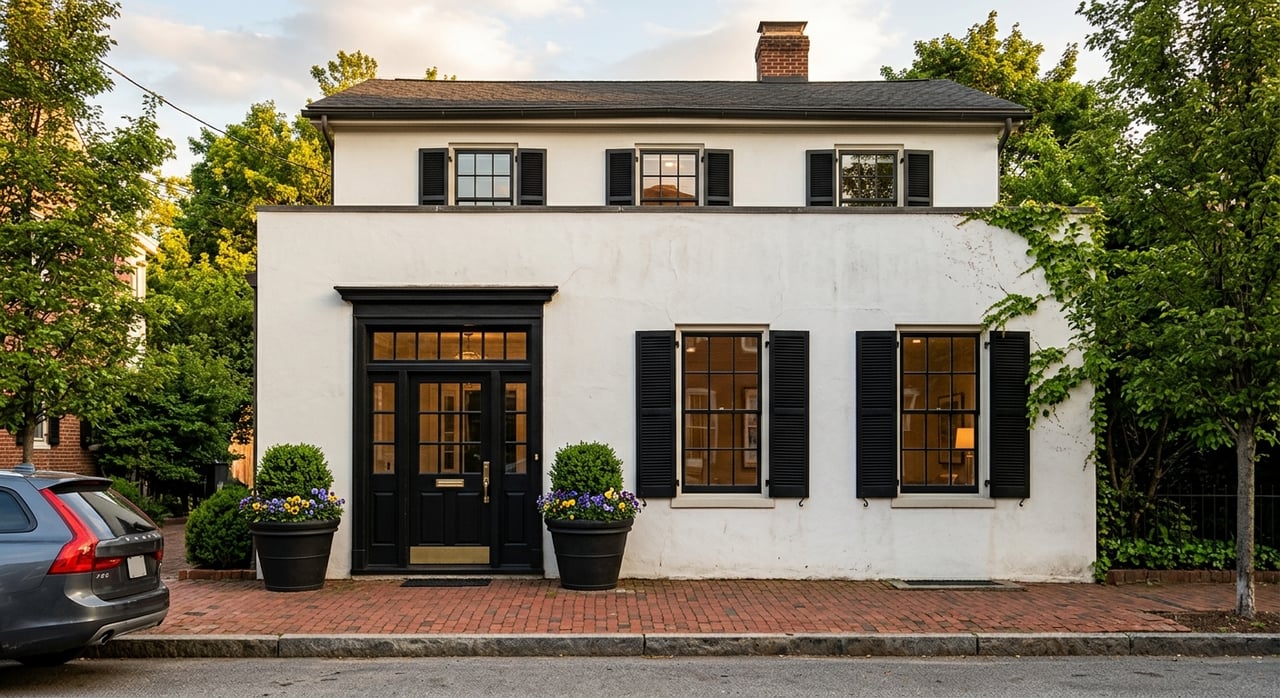
In Collegeville, historic homes are not all one type. The borough’s historic resources list includes stone farmhouses, colonial houses, and Victorian-era homes, including landmarks like the Fetteroff House, Andrew Todd House, and Clamer Hall.
That variety is part of the appeal. If you love original materials, older proportions, and homes with a strong sense of place, this segment of the market can feel especially rewarding.
Historic homes tend to attract buyers who want character first. In and around Main Street, you may find homes that feel closely tied to the borough’s older built environment and walkable core.
The borough’s design guidance for Main Street reinforces that character through features like masonry, porches, pitched roofs, sash windows, and varied facades. The same planning materials also support adaptive reuse of historic buildings rather than demolition, which helps preserve the area’s older rhythm and appearance.
Historic ownership usually comes with a different maintenance mindset. Preservation guidance from the National Park Service emphasizes ongoing repair and care of historic materials, with replacement handled sensitively and in kind when needed.
In practical terms, that means you should be comfortable budgeting time, attention, and money for upkeep that may be less straightforward than in a newer home. If original character matters to you more than perfect uniformity, a historic home may be a great match.
Historic homes may be right for you if you want:
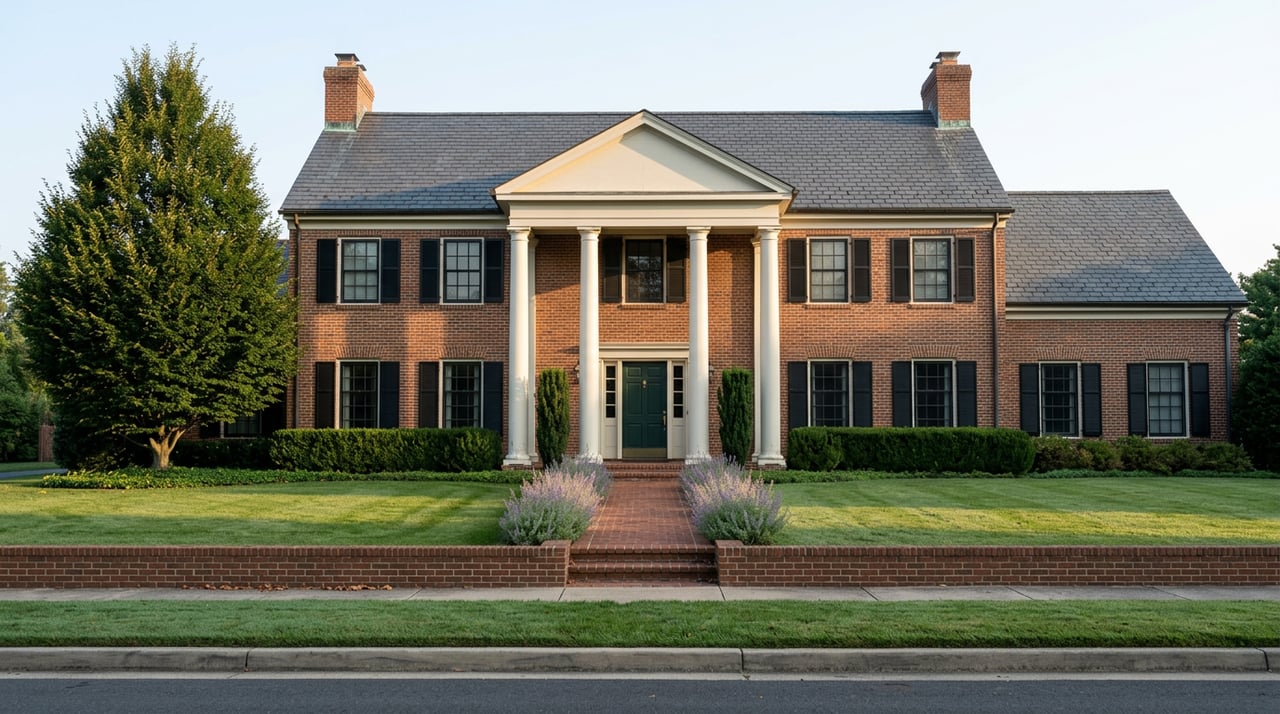
If your goal is a more conventional suburban home search, newer detached homes may be the easiest place to start. Collegeville’s housing stock still leans strongly toward single-unit homes, and local planning documents identify detached neighborhoods such as Collegeville Crossing and Collegeville Glen.
These areas generally offer a more familiar move-up-home pattern than an older Main Street property. For many buyers, that means more predictable layouts, more uniform neighborhood design, and less preservation-specific decision-making.
Detached homes often appeal to buyers who want more separation from neighbors, more interior and exterior space, and a layout that feels more aligned with modern day-to-day living. They can be a strong fit if you want a borough or near-borough location but prefer a less compact setting.
They may also make sense if your routine depends on easier parking, more storage, or a more traditional suburban feel. The right fit depends on how much you value convenience to downtown versus space at home.
Collegeville’s planning guidance emphasizes a mix of housing types rather than one dominant pattern. So even in newer areas, it helps to look beyond the label of “subdivision” and compare each neighborhood on its own merits.
As you narrow your search, consider:
Newer detached homes may be right for you if you want:
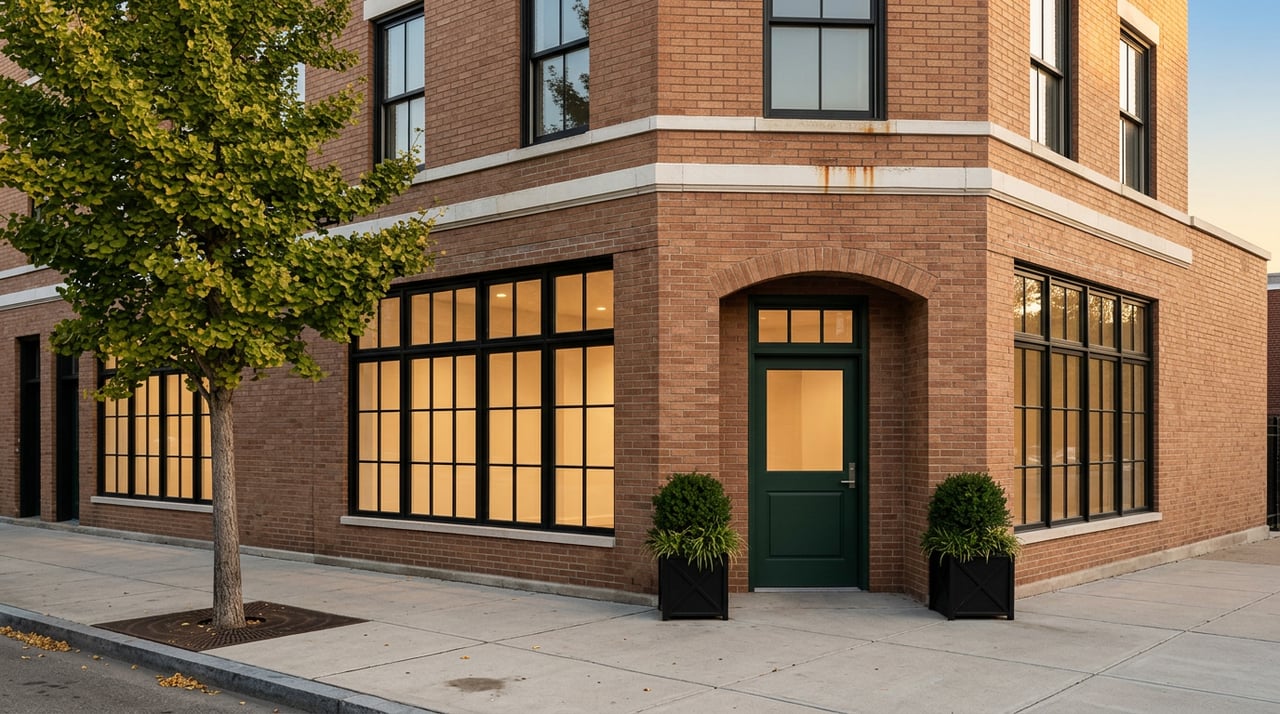
Townhomes are a documented part of Collegeville’s housing mix. Montgomery County planning materials specifically name communities such as College Park and Collegeville Greene, along with modern twins on Carmen Drive and older twins near Main Street.
Because the borough is still dominated by single-unit structures, condos are likely a smaller slice of the market than detached homes or townhomes. That makes it even more important to compare each opportunity closely rather than assume every lower-maintenance home works the same way.
For many buyers, the biggest draw is simpler upkeep. If you want less exterior maintenance, a smaller footprint, or a lock-and-leave lifestyle, this type of home can be very appealing.
It can also be a practical choice if you want to stay close to Main Street, the trail, or the borough’s commercial areas without taking on a larger yard. Buyers who commute may also appreciate being able to combine a lower-maintenance home with access to the borough’s walkable core and transit connection.
Condo and HOA-governed homes come with shared rules and costs. Pennsylvania law authorizes condominium associations to regulate the use, maintenance, repair, replacement, and modification of common elements.
That means the real comparison is not just price per square foot. You also need to understand dues, reserve planning, common-area responsibilities, and rules that may affect pets, parking, rentals, or exterior changes. Condo and HOA dues are usually paid directly to the association rather than bundled into your mortgage payment, so be sure to budget for that separately.
Townhomes and condos may be right for you if you want:
If you’re feeling torn between options, start with your top lifestyle priority instead of your favorite exterior look. In Collegeville, that usually brings the answer into focus faster.
If your top priority is charm, original details, and walkability, focus on older in-borough streets and Main Street-adjacent areas. These homes often offer the strongest connection to Collegeville’s historic character and mixed-use setting.
If your top priority is a more conventional detached home with a suburban rhythm, spend more time comparing newer neighborhood-style areas in and around the borough. Then confirm how each option lines up with your routine, including access to schools, parks, and the Perkiomen Trail.
The borough is part of the Perkiomen Valley School District, and students living inside borough limits attend South Elementary, Perkiomen Valley Middle School East, and Perkiomen Valley High School. Since some homes with a Collegeville address are outside the borough, verify the municipality and school assignment for any specific property.
If your top priority is reduced maintenance, compare townhomes and condos by looking past the list price. Review HOA rules, dues, and responsibility for exterior and common-area work before you decide.
The right home style should support how you live now and how you want to live a few years from now. That includes your commute, how much maintenance you’re comfortable handling, and how important walkability is to your weekly routine.
In Collegeville Borough, the mean travel time to work is 22.7 minutes. If commuting matters, homes that let you combine borough walkability with SEPTA bus #93 access to Norristown rail service may offer added convenience, especially if you value a more connected daily rhythm.
There is no single “best” home style in Collegeville. The right choice depends on whether you value character, space, or simplicity most.
Historic homes can offer personality and a deeper connection to the borough’s older fabric. Detached homes can deliver a more traditional suburban ownership experience. Townhomes and condos can make everyday maintenance easier while keeping you close to what makes Collegeville convenient and appealing.
If you want help narrowing your options by neighborhood, home style, and lifestyle fit, Ryanne Sullivan can help you sort through the details and find the Collegeville home that feels right for you.
Stay up to date on the latest real estate trends.
With Ryanne extensive knowledge and commitment to providing only the best and most timely information to her clients, she is your go-to source for real estate industry insight and advice. Buying or selling a home is more than just a transaction, it's a life-changing experience. Feel free to contact her for all your real estate needs.